





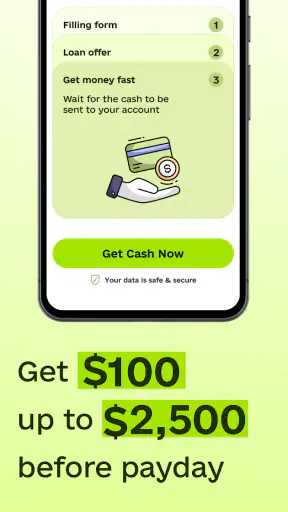
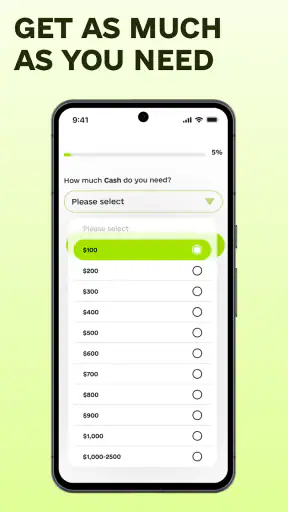
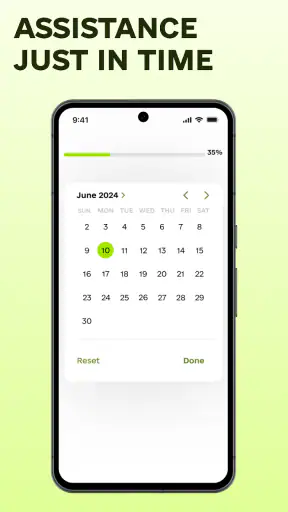
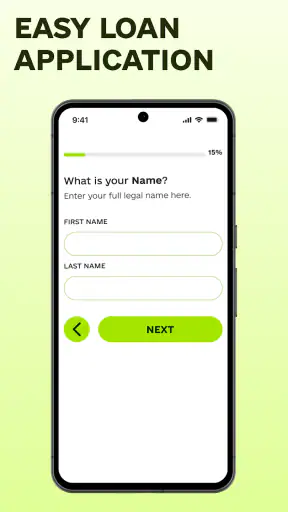

When an unexpected bill lands between paydays, the appeal of Instant Cash Advance: CashHoop is easy to understand. It is a free finance app from Biskup Apps that presents itself as a way to request a cash advance quickly, while also bringing tax filing into the same general problem-solving space. I approached it less like a magic emergency fund and more like a tool that might help someone organize a short-term money problem.
My overall impression is mixed but useful: CashHoop is worth investigating if you need a fast route to an advance or want to handle tax-related tasks from a phone, but it should not be treated as a replacement for budgeting, savings, or careful comparison shopping. The most important question is not simply whether the app is free to install. It is whether the specific advance or tax service you choose gives you enough value after you understand its terms.
How CashHoop fits into everyday financial emergencies
CashHoop belongs to the finance category, but its purpose is narrower than a traditional banking app. Instead of trying to be a complete account-management hub, it focuses attention on two situations that often arrive at inconvenient times: needing access to money before the next paycheck and dealing with tax filing. That focused approach can be helpful when you already know what problem you are trying to solve.
The app’s store presence describes an instant cash advance and tax filing in a few minutes. I would read that as a promise of a streamlined starting process, not as a guarantee that every person will receive money instantly or complete every tax situation that quickly. Financial applications still require accurate information, eligibility checks, and a careful look at the final terms. Speed at the beginning does not remove those responsibilities.
CashHoop is free to download, which makes trying the initial experience less of a financial commitment than signing up for a paid budgeting service. That distinction matters. Free access is not the same as a free advance, and a no-cost download should never be interpreted as proof that borrowing, filing, or related services carry no charges. Before accepting anything, I would check the amount received, repayment timing, any applicable costs, and what happens if repayment is late.
The app is rated for Everyone, runs on Android devices using version 7.0 or later, and the current version is 1.0.15. Those details make it accessible to a broad range of Android users, including people with older phones. It was released on July 17, 2024, and its audience has grown to over a million installs. The average rating is 4.6 from around twenty-six thousand ratings, with roughly one and a half thousand written reviews, so there is meaningful public interest without that popularity being a substitute for reading the terms of a financial product.
The first thing I would check before requesting money
I would begin by deciding whether the expense is genuinely urgent and whether the repayment date is realistic. A cash advance can solve a timing gap, such as a necessary bill due before income arrives, but it can also create a second deadline that is harder to manage. If the next paycheck is already committed to rent, utilities, food, or existing debt, borrowing a small amount may simply move the pressure forward.
My practical workflow would be to write down the exact bill, the amount needed, the date income is expected, and the amount that can safely be repaid. Only then would I open CashHoop and compare the offer details with that plan. This small step is more valuable than rushing through an attractive “instant” message, because it turns the app into one part of a decision rather than the decision itself.
A second useful check is to separate the app’s convenience from the underlying financial service. CashHoop may make the application process easier, but the important outcome is the agreement you are offered. I would capture or save the key repayment information before confirming, especially if the screen is designed for quick progress. That record can help prevent confusion later about what was requested and when it is due.
Where the tax-filing angle changes the picture
The tax feature gives CashHoop a broader purpose than a standalone advance app. Someone who is already gathering tax information may appreciate having a filing route close to an emergency-money tool. It can be especially convenient during a period when a refund, tax deadline, or unexpected expense is influencing the household budget.
Still, I would not assume that a fast filing flow is appropriate for every return. A straightforward situation may be easier to handle on a phone, while self-employment income, multiple sources of income, investments, property, or unusual deductions can demand more careful review. In those cases, a tax professional or a more specialized filing service may be the better choice, even if it takes longer.
One non-obvious trade-off is that combining borrowing and tax filing in one app can encourage a user to think of a future refund as money that is already available. I would avoid that mindset. A refund is not the same as cash in hand, and using an advance to cover today’s expense based on an expected future amount can become uncomfortable if the final result differs from the estimate.
A realistic use case: a bill between paydays
Imagine that a necessary household bill is due several days before a regular paycheck. The person has checked the amount, knows the paycheck is normally sufficient, and has no safer cash reserve available. In that narrow situation, CashHoop may offer a convenient place to explore an advance without visiting a branch or opening a full bank account.
I would use the app to review the available amount and repayment details, then compare the total cost with alternatives. A short conversation with the bill provider might produce an extension or payment arrangement. A trusted family member might be less expensive. An existing bank overdraft option might have clearer terms. The right comparison is not “CashHoop versus doing nothing”; it is CashHoop versus every realistic way to solve the same timing problem.
If the advance terms fit the written budget, the app’s speed could be genuinely helpful. If repayment would leave too little for essentials, I would skip the request even if the application looked simple. That is where my opinion of the app becomes deliberately cautious: convenience is valuable, but convenience can also make an unsuitable loan feel harmless.
What value comes from a free app?
Because CashHoop is free to download, its initial value is mainly convenience and access. You can explore a financial workflow without paying for the app itself, and Android compatibility beginning with version 7.0 means the service is not limited to only recent devices. For someone who prefers handling money from a phone, that lower entry barrier is meaningful.
The value is strongest when the app reduces friction without reducing understanding. A clear application path, quick access to relevant information, and a single place to begin a tax-related task can save time. However, the free installation does not establish the total value of the financial product. The real measure is what the user receives, what must be repaid, and how transparent the final agreement is.
I would also distinguish between trying the app and relying on it. Trying a free app to see whether it suits your situation is reasonable. Relying on a cash advance as a recurring monthly strategy is much less attractive. If someone repeatedly needs advances for groceries, rent, or utilities, the underlying problem is probably larger than an app can solve. In that case, a nonprofit debt adviser, employer support program, bank counselor, or detailed spending review may deliver more lasting value.
For tax filing, the free download may similarly lower the barrier to getting started, but I would judge the service by its actual filing process and final cost rather than by the installation price. A service that saves time can still be poor value if it does not suit the complexity of your return or if additional charges appear at the point of submission. I would review the complete flow before entering a deadline-sensitive situation.
Trade-offs compared with ordinary alternatives
A traditional bank may be slower or less convenient, but an existing bank relationship can make account history, repayment visibility, and customer support easier to understand. CashHoop’s advantage is the possibility of a focused mobile experience. Its disadvantage is that a quick new financial relationship may require more personal checking from the user.
Credit cards can offer flexibility, but interest and minimum payments can keep a small emergency expense active for a long time. A cash advance may appear more contained if its repayment schedule is clear, yet that depends entirely on the terms presented to the individual. I would never choose based only on the label “advance”; I would compare the total repayment and timing against the card’s actual cost.
Employer-based early-pay options can sometimes align more directly with earned wages, while a personal loan may provide a larger amount with a longer repayment period. Neither is automatically better. The best option depends on the size of the problem, the certainty of income, and whether the user can manage another scheduled payment. CashHoop is most compelling for a limited timing gap, not for a long-term borrowing need.
For taxes, a dedicated tax platform may offer a more established workflow for complicated returns, while an accountant can provide human judgment. CashHoop may be preferable when the return is simple and mobile convenience matters more than extensive guidance. I would switch to a specialist when the cost of an error is high or the financial details are difficult to explain through a quick phone-based process.
Small habits that make the app safer to use
My first tip is to read the repayment section before entering the final confirmation step, not afterward. Look for the amount that will leave your account, the date it will happen, and whether the schedule fits your income. If any wording is unclear, pause instead of assuming the most favorable interpretation.
Second, request only the amount tied to the immediate need. Extra available credit can make an emergency feel like an opportunity to spend, but borrowing more increases the pressure on the next payment date. Keeping the request narrow also makes it easier to evaluate whether the advance solved a real short-term gap.
Third, prepare tax documents before starting the filing workflow. Having identification details, income records, and relevant receipts nearby can reduce rushed entries. I would review names, figures, and account details twice, because a quick process is only useful if the information submitted is accurate.
Fourth, treat notifications and repayment dates as tasks to calendar manually. I would not rely solely on memory or assume that opening the app again will be enough. A separate reminder gives you time to move money, contact support, or reconsider an alternative before the due date arrives.
Finally, protect the phone and account used for financial information. A strong device lock, careful review of sign-in screens, and avoidance of public networks for sensitive actions are sensible habits. These precautions are not unique to CashHoop, but they matter more when an app combines borrowing and tax-related activity.
Who is likely to get the most from CashHoop?
I think CashHoop is best suited to an Android user who has a specific, temporary cash-flow problem, understands the difference between an application and an approval, and is willing to inspect the repayment terms. It may also suit someone with a relatively straightforward tax task who values getting started from a phone rather than arranging an appointment.
The app’s broad age rating and support for older Android versions make it approachable for many people, but accessibility does not remove the need for financial maturity. A user should know the amount needed, the income expected, and the consequences of adding another obligation. The strongest candidate is not simply someone in a hurry; it is someone who can use the speed without abandoning judgment.
I would skip it if you need a large loan, have uncertain income, are already missing payments, or are looking for a permanent solution to recurring expenses. I would also choose a tax specialist for a complicated return rather than assuming a fast mobile flow will cover every unusual situation. In both cases, a different option can be better because it provides more guidance or a structure designed for a longer-term problem.
My buy-or-skip verdict
There is no purchase decision here in the usual sense: the app itself is free to download, so the sensible question is whether its financial services are appropriate for your situation and whether the final terms justify using them. That makes CashHoop easy to test, but not automatically risk-free. The cost of an advance or filing service must be judged separately from the installation price.
After weighing the convenience against the responsibility placed on the user, I would recommend giving CashHoop a cautious look for a genuine short-term need. Its combination of cash-advance access and tax filing gives it a practical angle, and its large installed audience and strong average rating suggest that many people find the experience useful. Those signals are encouraging, but they do not replace a personal review of the agreement.
My recommendation is conditional: use CashHoop as a tool for a clearly defined task, not as a financial safety net. If the repayment fits your budget and the terms are easy to understand, the free mobile access may be worthwhile. If the offer is confusing, the expense is recurring, or the tax situation is complicated, I would skip it and choose an option with clearer support. That distinction is what turns a quick app download into a responsible financial decision.


